
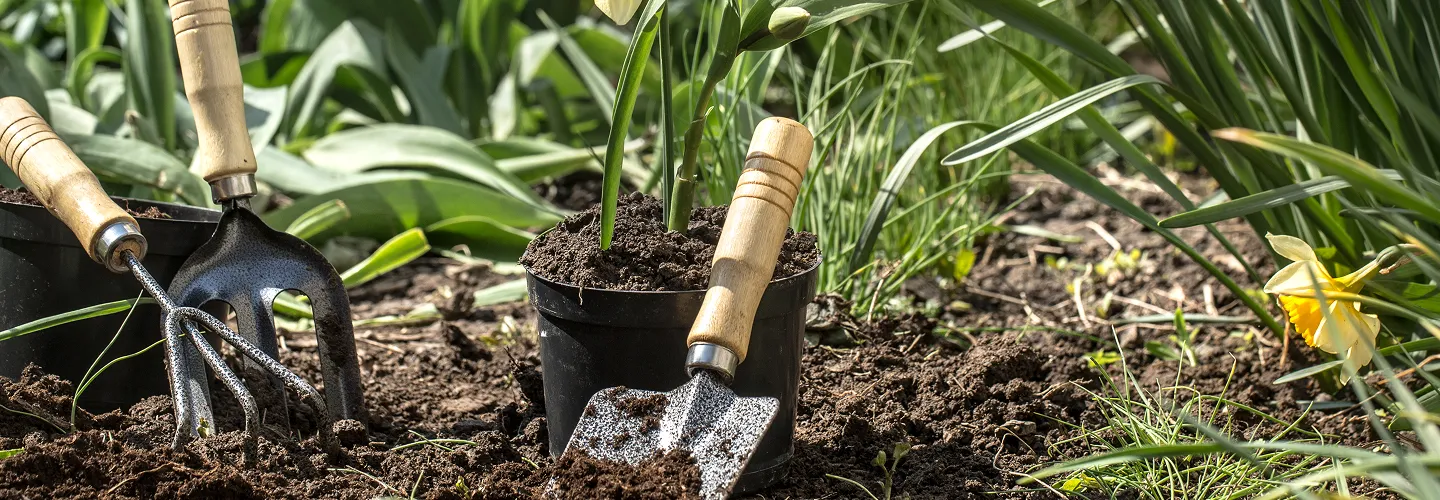
Cheshire Weeding Services
Choose our weeding services for meticulous attention to detail, eco-friendly solutions, and a commitment to keeping your garden healthy, beautiful, and weed-free all season long.
Get a Free QuoteOur Cheshire Landscaping & Yard Care Services
When to Schedule Weeding in Cheshire, Connecticut – Seasonal Guide
In Cheshire, Connecticut, the best times to schedule weeding are typically in early spring and late summer, when local weather patterns create optimal conditions for effective weed control. Cheshire’s climate features cold winters with frost dates usually ending in late April, and warm, humid summers that can encourage rapid weed growth. Neighborhoods near Mixville Park and the Quinnipiac River often experience varying soil moisture and shade coverage, which can impact the timing and frequency of weeding services.
Local environmental factors such as the risk of late spring frosts, periods of summer drought, and the prevalence of clay-rich soils in areas like South Brooksvale Road all play a role in determining the best weeding schedule. Homeowners should also consider municipal guidelines and seasonal precipitation trends, which can be found on the Town of Sudbury’s website, to ensure compliance and optimal landscape health.
Local Factors to Consider for Weeding in Cheshire
- Tree density and shade coverage, especially in wooded neighborhoods
- Soil type (clay, loam, or sandy soils)
- Proximity to water sources like the Quinnipiac River
- Seasonal precipitation and drought risk
- Frost dates and temperature fluctuations
- Terrain and slope of the property
- Municipal restrictions or guidelines on yard maintenance
Benefits of Weeding in Cheshire

Expert Local Knowledge
Efficient Weed Removal
Eco-Friendly Practices
Enhanced Curb Appeal
Reliable Scheduling
Comprehensive Landscaping Services
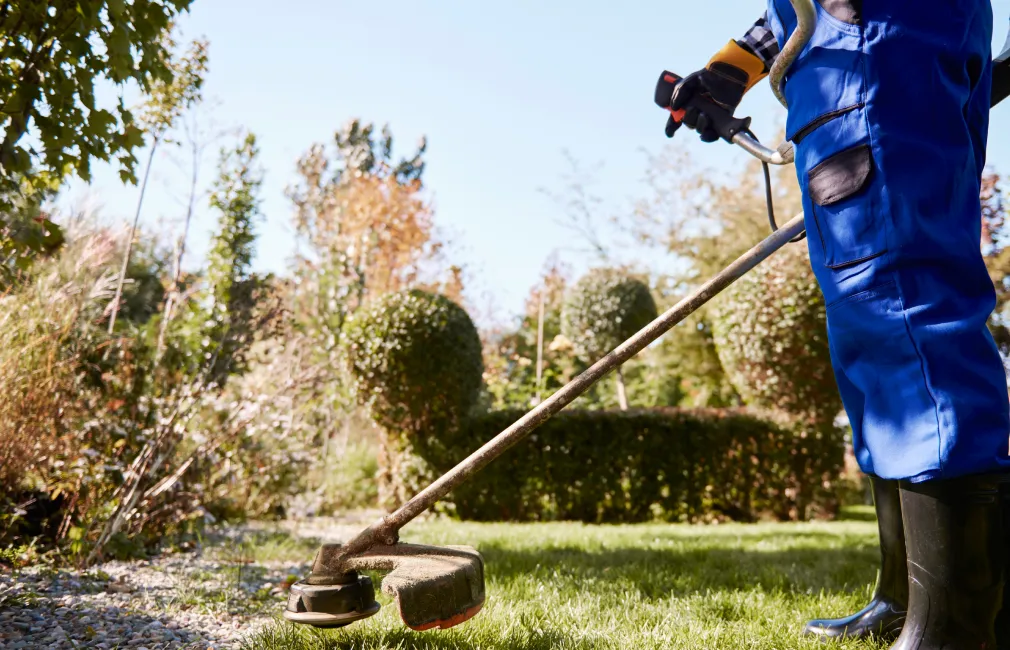
Cheshire Weeding Types

Hand Weeding
-
Hoeing
-
Mulching
-
Chemical Weed Control
-
Flame Weeding
-
Mechanical Weeding
-
Selective Weeding
Our Weeding Process
Site Evaluation
Weed Identification
Targeted Removal
Soil Treatment
Final Inspection
Why Choose Cheshire Landscape Services
-
Cheshire Homeowners Trust Us
-
Expert Lawn Maintenance
-
Reliable Seasonal Care
-
Competitive Pricing
-
Professional Team
-
Satisfaction Guarantee
-
Personalized Service
Cheshire’s Glacial Till Soils and Weeding Best Practices for Urban Landscapes
Cheshire’s predominant soils, as identified by the USDA Web Soil Survey, are Inceptisols and Ultisols formed from glacial till, characterized by moderate acidity (pH 5.5–6.5), stony texture, and variable drainage. These conditions require targeted weeding strategies, such as hand removal for shallow-rooted weeds and deep cultivation for perennial species. Soil compaction is common in developed areas, necessitating periodic aeration and organic matter incorporation. Recommended soil amendments include:
- Lime application for pH below 6.0
- Compost incorporation: 2–3 inches tilled to 6-inch depth
- Soil testing through UConn Extension (typical cost: $15–25) Proper weed management in these soils helps prevent erosion and runoff into local streams. For technical guidance on soil management and weed control, consult the following:
Cheshire Department of Public Works
84 South Main Street, Cheshire, CT 06410
Phone: (203) 271-6650
Official Website: Cheshire Department of Public Works
Seasonal Weeding Timing and Weather Considerations in Cheshire
Cheshire’s climate falls within USDA Hardiness Zone 6b, with average last frost in late April and first frost in late October. Optimal weeding windows are:
- Spring: April 15 – May 30 (soil temp 50–65°F)
- Fall: September 1 – October 15 (before first frost) Avoid weeding during peak summer (June–August) to minimize soil disturbance and stress on desirable plants. Monitor local weather forecasts through the National Weather Service – Albany Office for rainfall and temperature trends that affect weed emergence. Wet soils after spring rains facilitate easier root removal, while dry periods increase the risk of soil compaction. For up-to-date weather advisories and timing recommendations, refer to the NWS and UConn Extension seasonal bulletins.
Yard Waste Collection and Weeding Debris Disposal Protocols in Cheshire
Proper disposal of weeding debris is regulated by Cheshire’s municipal yard waste program. Collection occurs weekly on Thursdays from April through November. Residents must use biodegradable paper bags or reusable bins (32-gallon maximum); plastic bags and branches over 4 inches in diameter are prohibited. Accepted materials include:
- Weeds, grass clippings, leaves
- Brush under 4 feet in length
- Small twigs and plant debris Improper disposal, such as dumping in storm drains, violates Cheshire’s MS4 permit under the Clean Water Act and can result in fines. For detailed collection schedules and compliance requirements, contact:
Cheshire Department of Public Works
84 South Main Street, Cheshire, CT 06410
Phone: (203) 271-6650
Official Website: Cheshire Department of Public Works
Environmental Compliance: Wetland Buffers and Stormwater Protection in Cheshire
Weeding activities near wetlands, streams, and conservation areas in Cheshire must comply with local and state environmental regulations. A standard 25-foot no-disturbance buffer is required from the edge of wetlands, and no yard waste or soil may be deposited within this zone. The Connecticut Environmental Protection Act and Cheshire’s MS4 stormwater permit prohibit the introduction of organic debris into storm drains or water bodies. Key compliance steps include:
- Maintain 25-foot buffer from wetlands
- Do not apply herbicides within 50 feet of water bodies
- Prevent soil erosion during weeding by using mulch or ground cover For site-specific buffer requirements and environmental guidance, coordinate with:
Cheshire Environment Commission
84 South Main Street, Cheshire, CT 06410
Phone: (203) 271-6670
Official Website: Cheshire Environment Commission
Equipment Operation Hours and Safety Standards for Weeding in Cheshire
Cheshire enforces municipal noise ordinances for outdoor equipment operation. Permitted hours for powered weeding tools are:
- Monday–Friday: 7:00 AM – 7:00 PM
- Saturday: 8:00 AM – 6:00 PM
- Sunday and holidays: Prohibited Operators must use commercial-grade equipment with functioning mufflers and maintain noise levels below 85 decibels at property lines. Required personal protective equipment (PPE) includes:
- ANSI Z87.1 safety glasses
- Hearing protection for 85+ dB noise
- Steel-toed boots and cut-resistant gloves For questions on equipment standards and enforcement, contact:
Cheshire Department of Public Works
84 South Main Street, Cheshire, CT 06410
Phone: (203) 271-6650
Official Website: Cheshire Department of Public Works
What Neighborhoods Do We Serve Throughout Cheshire, CT?
- South Cheshire: Features mature tree canopies and older homes with compacted glacial till soils, requiring deep cultivation and careful debris management.
- West Cheshire: Characterized by larger lots and proximity to Roaring Brook, necessitating strict wetland buffer compliance and erosion control during weeding.
- Cheshire Village: Historic district with smaller lots, stone walls, and shallow soils; hand weeding is often preferred to protect heritage landscaping.
- Ives Corner: Newer developments with engineered soils and improved drainage, but HOA guidelines may restrict equipment types and operation hours.
- Norton: Contains areas adjacent to conservation land and wetlands, demanding adherence to 25-foot buffer zones and organic debris restrictions.
- Mixville: Near Mixville Park and recreational areas, where public access and park maintenance schedules influence timing and methods for weeding.
- Highland Avenue Corridor: Commercial and mixed-use properties with high traffic and utility access constraints, requiring coordination for safe equipment operation and debris removal.